
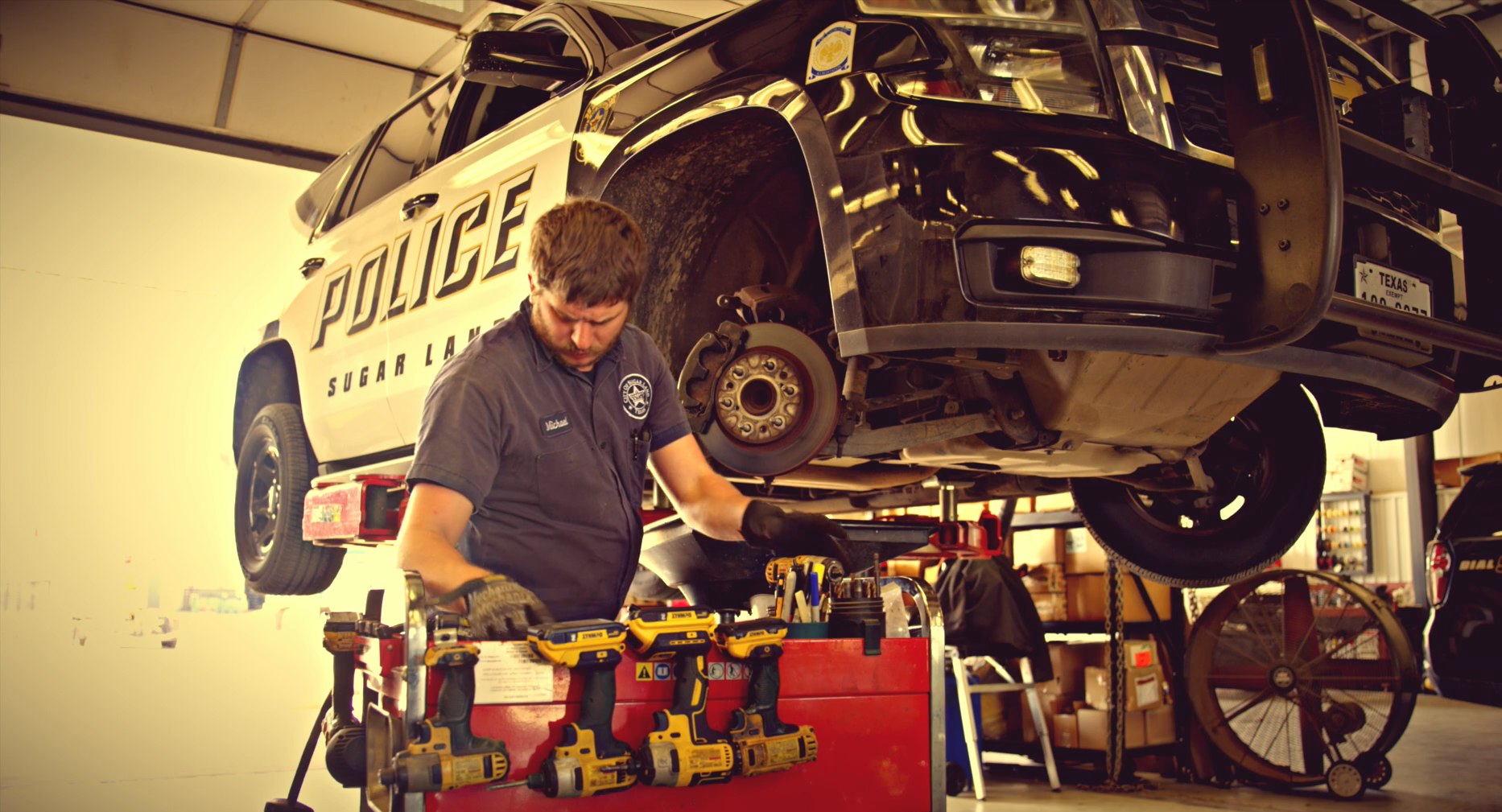
Doing More with Less: How Sugar Land, Texas Transformed Its Fleet Operations
In today’s climate of shrinking budgets and rising operational demands, public fleet managers are expected to do more with less. That’s especially true for cities like Sugar Land, Texas — wheremore than 550 vehicles support everything from public works and parks to police and utilities. Every mile driven, every dollar spent, and every hour logged must be carefully accounted for.
Before their fleet transformation, however, Sugar Land faced a challenge familiar to many municipalities: outdated systems, fragmented processes, and limited visibility into operations. Their journey to a modern, data-driven fleet is a powerful example of how technology can help cities operate more efficiently, justify budgets, and better serve their communities.
The Challenge: Paper, Spreadsheets, and Frustration
Managing a fleet of over 550 vehicles and pieces of equipment is no small task. The City’s Fleet Services division was responsible for ensuring vehicles were properly maintained, available when needed, and replaced at the right time — all while maintaining cost-efficiency and compliance with city and state policies.
Yet, the tools they relied on were working against them.
Most of their maintenance tracking was still paper-based. Technicians filled out handwritten work orders, which had to be manually entered or filed later. These paper logs slowed down service turnaround times, created silos of information, and made it nearly impossible to track technician productivity in real time. Critical data—like vehicle mileage, maintenance costs, and downtime — lived in multiple spreadsheets scattered across departments.
As a result, key decisions were based on instinct rather than insight. Vehicle replacement planning relied on gut feelings or anecdotal feedback instead of lifecycle cost data. Reporting for leadership was reactive and time-consuming, often requiring hours of manual data compilation. And without clear, consistent metrics, it was difficult to demonstrate the fleet’s value or justify requests for additional resources.
“We couldn’t clearly show how we were spending our time or money,” said Shahid Ali, Fleet Administrator for the City of Sugar Land. “It made it hard to advocate for the resources we needed.”
The lack of visibility wasn’t just a nuisance — it was a barrier to progress. The city needed a way to modernize without adding staff, a solution that could give them real-time data, streamline workflows, and provide leadership with the transparency they demanded.
The Turning Point: Going Digital with FASTER Asset Solutions
Recognizing the need for change, Sugar Land made a strategic decision to go digital. The city implemented FASTER, a purpose-built fleet management platform designed specifically for public-sector operations.
From day one, FASTER provided the tools the fleet team needed to centralize data, automate workflows, and measure performance across all aspects of their operation. Instead of juggling spreadsheets and paper logs, technicians now worked within a single digital system — tracking work orders, vehicle history, and productivity metrics all in one place.
With FASTER, the City of Sugar Land gained:
Digital vehicle records for every asset, capturing maintenance history, costs, and warranty information.
Real-time visibility into open work orders, technician performance, and vehicle status.
Automated reporting that connected daily shop activity with budget outcomes.
Lifecycle cost tracking to support smarter, data-driven replacement decisions.
Integrated compliance management, ensuring vehicles met safety and emissions standards.
The shift wasn’t just about replacing old systems — it was about changing the culture. Fleet staff could now focus on analysis instead of administration. Leadership could see the fleet’s impact in concrete terms. And the department finally had the transparency it needed to communicate its value to other city stakeholders.
The Results: Time Saved, Budgets Justified, Money Reclaimed
The impact of Sugar Land’s digital transformation was both immediate and measurable.
100+ labor hours reclaimed every week. By tracking technician wrench time and eliminating manual entry, the fleet streamlined workflows and reduced overtime. Work orders could be opened, assigned, and closed in minutes instead of hours — freeing staff to focus on higher-value tasks.
$1.5 million increase in vehicle replacement funding. With solid data on asset utilization, lifecycle costs, and downtime, the fleet team built a compelling case for increased investment. Leadership could now see exactly which vehicles were draining resources and when replacements would deliver the greatest return.
Thousands saved monthly in insurance and overhead. FASTER automatically flagged retired or surplus vehicles that were still insured, preventing unnecessary costs and reducing liability exposure. What had once been an overlooked administrative detail turned into a clear source of savings.
Improved customer satisfaction across departments. With better communication tools and real-time updates, departments like police, parks, and utilities saw faster turnaround times and greater confidence in vehicle reliability. The fleet department’s reputation shifted from reactive support to proactive partner.
Why It Matters: Public Fleets Deserve Public-Sector Solutions
Too often, government fleets are forced to rely on private-sector tools that don’t fit their unique operational needs – or worse, on spreadsheets and sticky notes that can’t keep pace with multimillion-dollar operations. Sugar Land’s experience highlights a crucial truth: modern fleet management requires purpose-built tools that prioritize transparency, accountability, and efficiency.
Public fleets have unique responsibilities. They must balance service delivery with strict budget oversight, operate under public scrutiny, and maintain compliance with complex regulations — all while serving diverse internal departments with competing priorities. Generic software simply isn’t equipped to handle those challenges.
FASTER’s platform bridges that gap. It gives public-sector organizations the ability to manage their fleets with the same sophistication as large private companies — but in a way that aligns with their mission, their data needs, and their accountability to taxpayers.
Lessons Learned: The Power of Data-Driven Decision Making
Sugar Land’s success didn’t come from adding more people or working longer hours. It came from leveraging data to work smarter.
By capturing every maintenance action, tracking every dollar spent, and tying every vehicle’s performance to measurable outcomes, the city turned information into insight. The fleet team could now anticipate issues before they became costly problems, justify budget requests with hard numbers, and communicate their impact to leadership with clarity and confidence.
What once felt like a department fighting for attention became a strategic partner helping shape long-term operational planning.
As Fleet Administrator Shahid Ali put it:
“FASTER is saving us a lot of time. It’s saving us a lot of money. And it’s putting us in a position where fleet is relevant.”
The Takeaway: Fleet Transformation is Possible – and Worth It
The City of Sugar Land’s story is more than a case study; it’s a roadmap for other municipalities facing the same challenges. By investing in technology that fits their needs, they transformed not just how they managed vehicles, but how they delivered value to their community.
Modern fleet management isn’t about software alone. It’s about empowering people with better tools, using data to drive smarter decisions, and giving public-sector teams the visibility they deserve.
When cities invest in purpose-built solutions like FASTER, the payoff is clear: lower costs, higher accountability and fleets that are truly mission-ready.
Ready to Modernize Your Fleet?
Whether you’re struggling with legacy systems, unpredictable maintenance costs, or the challenge of doing more with less, FASTER can help. Our platform is built for the way public fleets actually work — connecting data, people, and performance to help you save time, cut costs, and deliver better service.
Book a demo today and see how your city can make the shift from reactive to strategic — just like Sugar Land did.
Related Posts

Franklin, TN Transforms Fleet Operations with FASTER’s Intuitive Fleet Management System
